In recent months, a sharp exchange between billionaire entrepreneur Elon Musk and UK Labour leader (now Prime Minister) Keir Starmer has ignited an online firestorm. Headlines, social media posts, and viral clips framed the confrontation as Musk “crushing” Starmer with claims about free speech, government overreach, and the future stability of Western democracies. Some commentators escalated the rhetoric further, asking a dramatic and alarming question: Is civil war becoming a real possibility in Britain or the wider West?
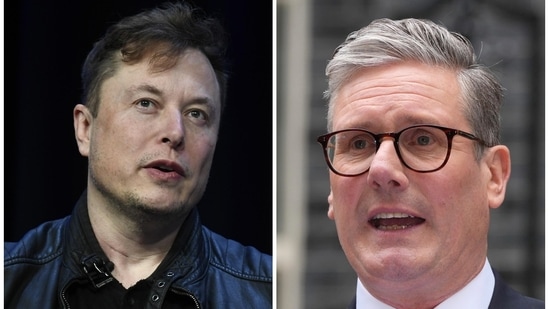
This investigation examines what was actually said, what was exaggerated, and how inflammatory language can distort political debate. More importantly, it asks whether the idea of “civil war” reflects genuine social risk—or whether it is a powerful but misleading narrative amplified by digital platforms.
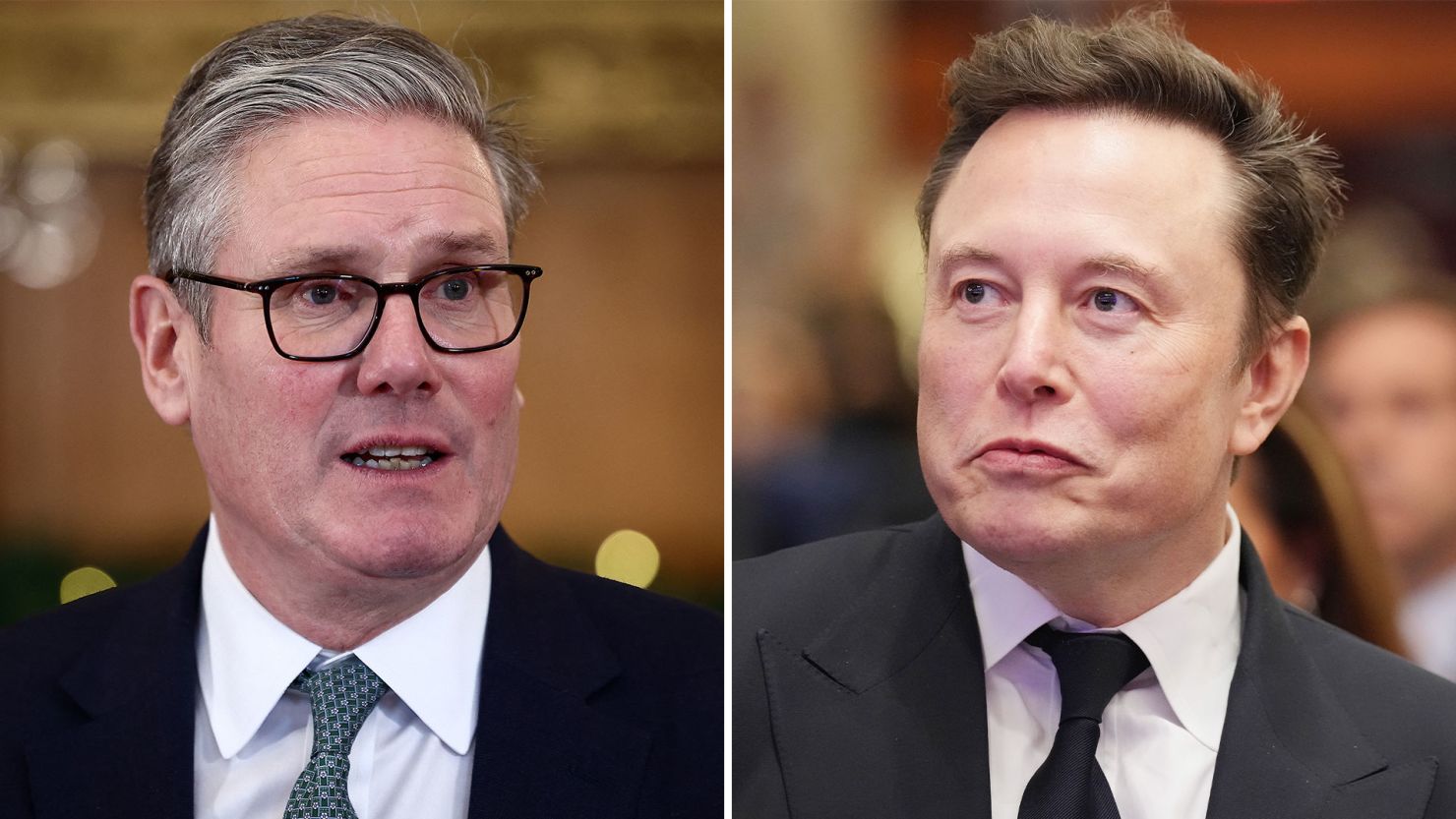
Who Are the Main Players?
Elon Musk: Tech Power Meets Political Influence
Elon Musk is not an elected official, yet his influence rivals that of many governments. As the owner of X (formerly Twitter), CEO of Tesla and SpaceX, and one of the world’s richest individuals, Musk commands a global audience of hundreds of millions. Over the past few years, he has increasingly used his platform to comment on politics, particularly issues of free speech, censorship, immigration, and national identity.

Musk often frames his interventions as warnings—arguing that governments risk social breakdown if they suppress dissent or ignore public frustration. Critics, however, accuse him of oversimplifying complex issues and inflaming tensions for attention or ideological reasons.
Keir Starmer: Law, Order, and Institutional Trust
Keir Starmer, a former Director of Public Prosecutions, built his political identity on competence, legality, and restoring trust in institutions. As Labour leader and Prime Minister, his message emphasizes stability, responsible governance, and respect for the rule of law.
Starmer’s critics on the right argue that his policies could restrict free expression or expand state power. Supporters counter that his approach aims to reduce chaos, not create it.
The Spark: What Did Musk Actually Say?
The controversy began when Musk publicly criticized UK political leadership over policing, protests, and speech regulation. In several posts, he suggested that Britain—and Europe more broadly—was heading toward serious internal conflict if governments continued what he described as “authoritarian” tendencies.
Some users interpreted Musk’s comments as a direct attack on Starmer’s leadership, portraying the exchange as Musk “crushing” the Prime Minister in the court of public opinion. However, a closer look shows something different:
Musk did not present evidence of imminent civil war.
His language relied heavily onprediction and warning, not factual claims.
The most extreme interpretations came not from Musk himself, but from commentators, influencers, and algorithm-driven headlines.
In short, the idea of “civil war” was amplified far beyond its original context.
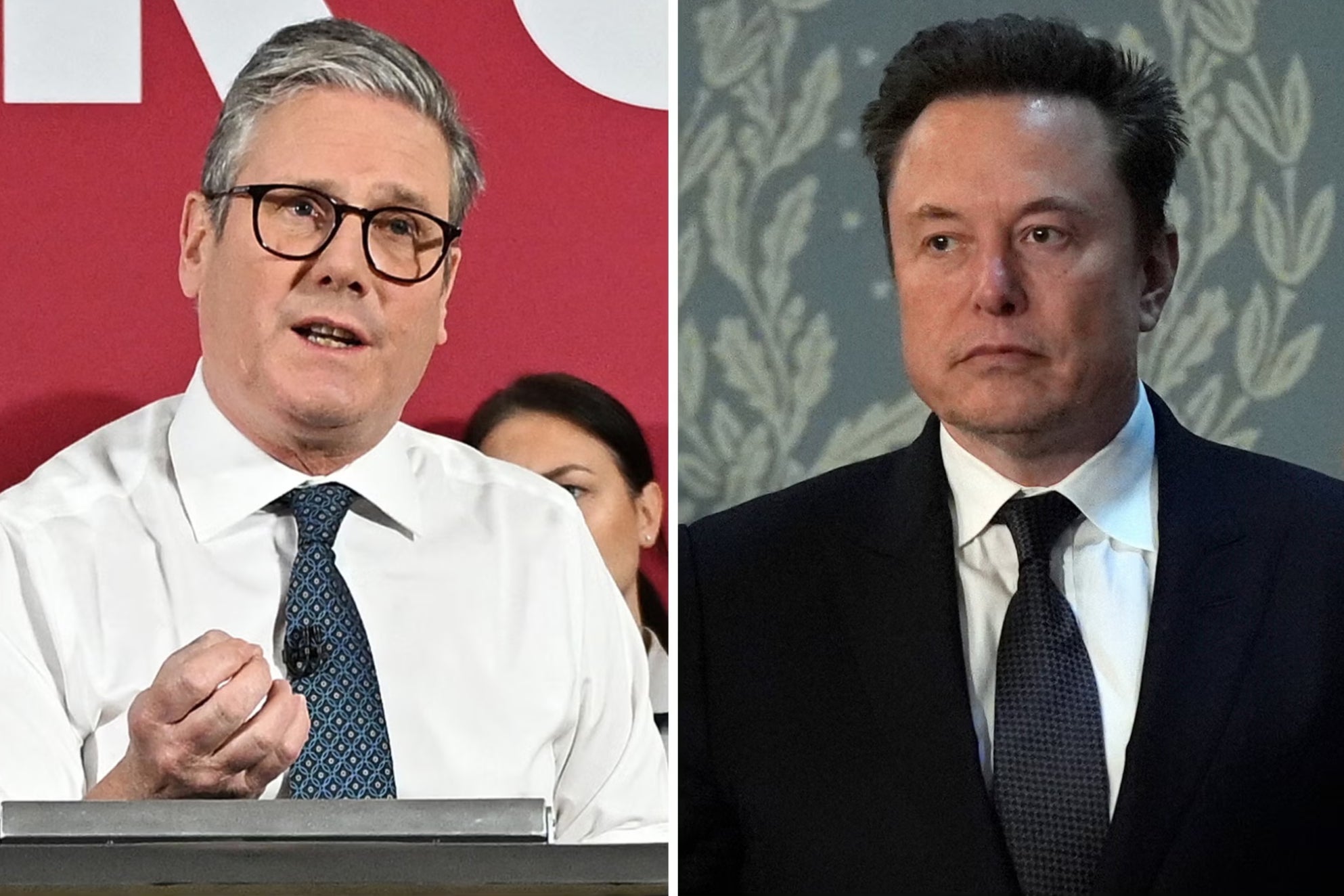
How Social Media Turns Warnings into Weapons
Social media platforms thrive on outrage. A measured statement about social tension rarely goes viral; a phrase like “civil war is coming” does. Algorithms reward emotional intensity, not accuracy.
In this case, Musk’s speculative language was:
Clipped into short videos
Removed from nuance
Reframed as certainty rather than concern
As a result, millions of users encountered a simplified narrative: Elon Musk destroys Starmer and predicts civil war. That framing is far more dramatic—and far less accurate—than the original discussion.
Is Britain Actually at Risk of Civil War?
To answer this question responsibly, it is crucial to define what “civil war” actually means. Historically, civil wars involve:
Armed factions
Breakdown of state authority
Large-scale, sustained violence
By these standards, the UK is nowhere near civil war.
What the Data Shows
Britain has functioning institutions, regular elections, and civilian control of the military.
Political polarization exists, but it remains largely non-violent.
Protests, while sometimes disruptive, do not resemble organized armed conflict.

Experts in political science and conflict studies consistently warn against using the term “civil war” loosely. Doing so can normalize fear, undermine trust, and ironically make societies less stable.
The Real Issue: Social Fragmentation, Not Civil War
While civil war is not a realistic scenario, Musk’s comments touch on a real issue: growing social fragmentation.
Across many Western countries, including the UK, there is:
Declining trust in institutions
Anger over inequality and migration
Cultural polarization amplified online
These problems are serious—but they are political and social challenges, not signs of imminent armed conflict.
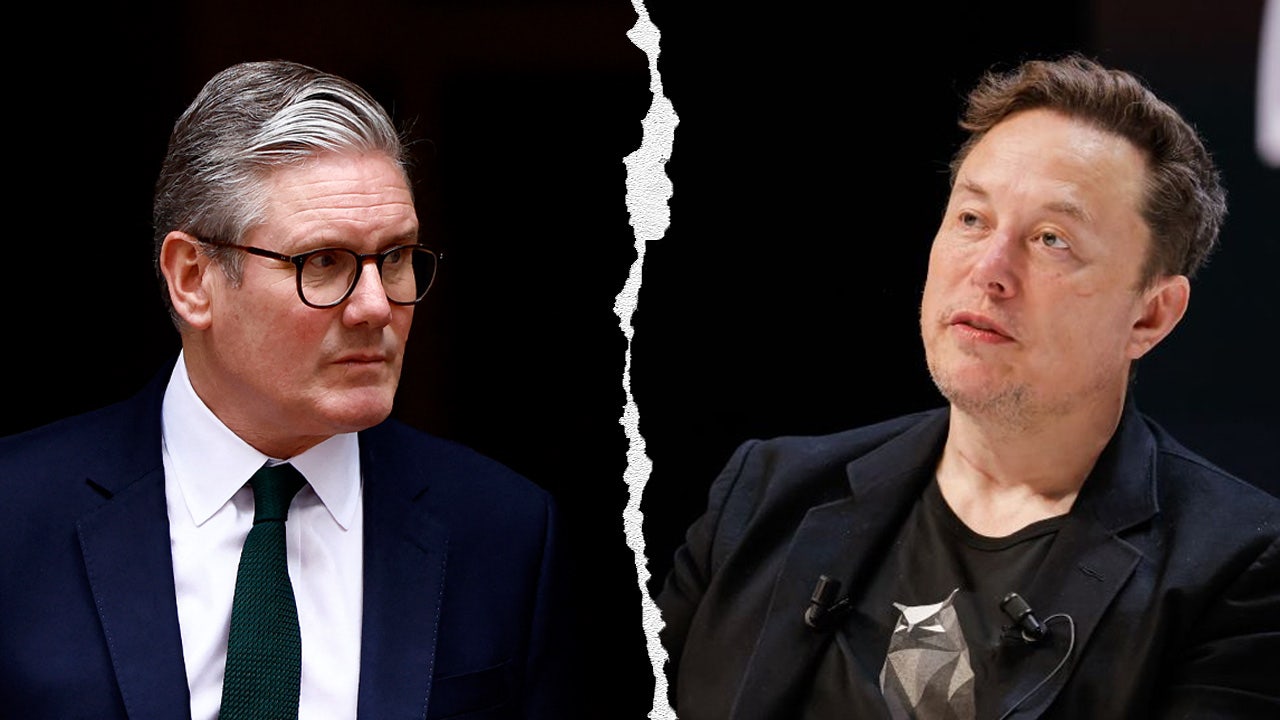
Starmer’s government argues that strong institutions and rule-based governance are the solution. Musk argues that excessive control worsens alienation. The clash, then, is less about violence and more about how democracies should manage dissent.
Did Musk “Crush” Starmer?
The idea that Musk “crushed” Starmer is more myth than reality.
Musk won attention, not a policy debate.
Starmer did not directly engage in a personal exchange, avoiding escalation.
Public opinion in the UK remains shaped more by domestic issues—economy, healthcare, housing—than by Musk’s online commentary.
In traditional political terms, a viral moment does not equal a decisive victory. It reflects the power of celebrity influence, not necessarily the strength of an argument.
Why “Civil War” Rhetoric Is Dangerous
Even when used metaphorically, extreme language has consequences:
It increases fear and anxiety.
It frames political opponents as existential enemies.
It lowers the threshold for acceptable hostility.
For young audiences especially, repeated exposure to “collapse” narratives can distort understanding of how democracies actually function—slowly, imperfectly, but usually peacefully.
Conclusion: Noise vs. Reality
So, is civil war a real possibility in Britain? Based on evidence, history, and current conditions, the answer is no.