For years, Elon Musk’s relationship with Dogecoin has been emblematic of modern financial mania—where tweets move markets and billionaire influence collides with crypto speculation. What began as a seeming joke about a meme coin has spiraled into a legal saga that encapsulates investor frustration, regulatory ambiguity, and broader questions about the responsibilities of billionaires in public discourse.
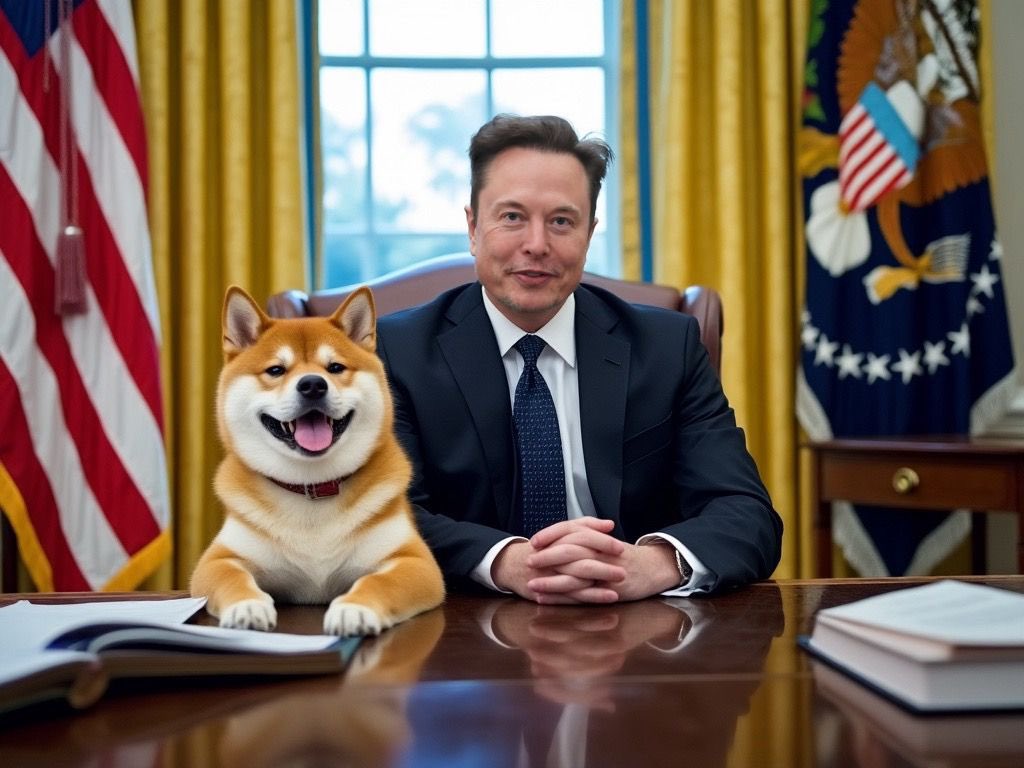
Now, after years of anticipation and mounting criticism, Musk has indeed been hit with the lawsuit that many in the crypto community, legal observers, and market analysts have waited for: a high-stakes legal challenge tied directly to his influence over Dogecoin and alleged market manipulation.
But the layers of this controversy stretch beyond crypto alone, touching on Musk’s unusual political role, questions of federal authority, and constitutional concerns about private individuals exercising public power. This article digs deep into the lawsuit that finally landed, why it matters, and what it reveals about Musk, Dogecoin, and the future of financial regulation.
A Lawsuit Years in the Making
The idea of a Dogecoin-related lawsuit against Elon Musk isn’t new. In fact, nearly three years ago, plaintiffs brought what quickly became one of the largest proposed damages suits in financial history. That lawsuit, originally filed in New York federal court and seeking a staggering $258 billion in damages, alleged that Musk had artificially manipulated the price of Dogecoin—using his public platform and celebrity status to inflate the coin’s value, only to benefit financially while ordinary investors suffered losses.

According to the complaint, Musk’s public statements, social media posts, and appearances—such as a 2021 segment onSaturday Night Live where he spoke about Dogecoin in humorous terms—were not innocent commentary but tools used to draw attention, stimulate demand, and ultimately enrich himself and affiliated entities. Investors claimed that tweets about Dogecoin’s future, jokes about it being able to buy Teslas, and other highly publicized actions resulted in extreme price volatility that harmed retail holders.
Yet despite its size and sensational nature, that lawsuit wasdismissed in 2024. A federal judge ruled that Musk’s statements were aspirational and constituted puffery—comments too vague or speculative to form the basis for a securities fraud claim—and that no reasonable investor could have relied on them as factual investment advice. The judge’s ruling meant the lawsuit was dismissed with prejudice, preventing it from being refiled and seeming to close the chapter on that particular legal threat.
For some observers, that dismissal felt like a rejection of accountability: a world where a billionaire’s every public utterance flows into global markets with little legal consequence. But in the legal ecosystem surrounding Musk and Dogecoin, another lawsuit has emerged—one that many argue isthe lawsuit we’ve waited for.
A New Front: Lawsuits Over Musk’s Government Role and Doge Access
The context around Elon Musk’s legal challenges is evolving. While Dogecoin-centered investor litigation faded, a series of legal actions stemming from Musk’s involvement with the federal government’s controversial Department of Government Efficiency (DOGE) has put him squarely back into courtrooms—not because of cryptocurrency markets, but because of constitutional, privacy, and civil liberties concerns tied to his access to sensitive data.
In early 2025, acoalition of state attorneys general, led by New York’s Attorney General Letitia James, filed a lawsuit against Musk and the Trump administration. The complaint alleges that the U.S. Treasury Department’s decision to provide Musk and members of the DOGE office with access to the central federal payment system violated federal law and posed grave risks to Americans’ most sensitive financial information.

This lawsuit argues that the expansion of access to the Treasury’s Bureau of Fiscal Services payment infrastructure—system that handles Social Security, Medicare payments, state funds, and other critical transactions—was both unlawful and unconstitutional. The attorneys general seek injunctive relief to block and reverse this new policy and a court declaration that the policy itself violates federal statute and privacy protections.
What makes this lawsuit unique is that it bridges the personal influence of Elon Musk with public governance and data security, and that many have viewed it as the legal action that truly holds Musk accountable for consequences that extend far beyond crypto. In some ways, this is the legal fight we’ve waited for because it challenges not just market impacts but the more fundamental question of what authority private individuals should have when granted public power.
Why This Lawsuit Matters
Beyond Market Rumors and Tweets
A Test of Government Delegation
Musk’s involvement in the DOGE office—a politically appointed entity charged with reshaping federal government operations—has raised eyebrows not because of his business background, but because of the authority he has exercised without Senate confirmation or traditional oversight. The multi-state lawsuit argues that the government’s granting of access to critical federal systems to Musk and his team violated established federal procedures.
This is important not just for Musk, but for any private citizen whose online or business influence intersects with public power. Courts will be asked to scrutinize how far executive authority can go when it places private individuals in charge of federal data systems.
Privacy and Civil Liberties ConcernsThe lawsuit highlights a growing anxiety over the safeguarding of personal data. If a private individual tied to a political office could access taxpayer information, financial records, or payment systems without appropriate legal checks, the implications for civil liberties could be profound.
The Larger Legal Landscape
The Musk-Dogecoin saga reveals a legal landscape that is far more complex than a single investor lawsuit. Prior to the current government-focused litigation, the DOGE office itself was challenged by states for exceeding constitutional authority under the Appointments Clause—arguing that Musk and his team were exercising significant governmental power without proper Senate confirmation. A federal court acknowledged potential constitutional problems and demanded disclosures, even while not blocking all actions at that time.

Meanwhile, multiple federal judges have issued rulings against or temporarily restrained aspects of DOGE’s actions—such as blocking access to certain types of federal data or limiting Trump administration privacy decisions.
Together, these cases form a broader narrative: Musk’s dual roles—as a private tech leader and as a government influencer—are being tested in courtrooms across the country. What makes this year’s lawsuit significant is not simply the accusation, but the role of the legal system in defining the limits of private influence over public systems.

Where Things Stand Now
Elon Musk has not gone unchallenged legally—his legal team successfully defended against the earlier crypto lawsuit, convincing a federal judge that his Dogecoin comments were aspirational rather than fraudulent
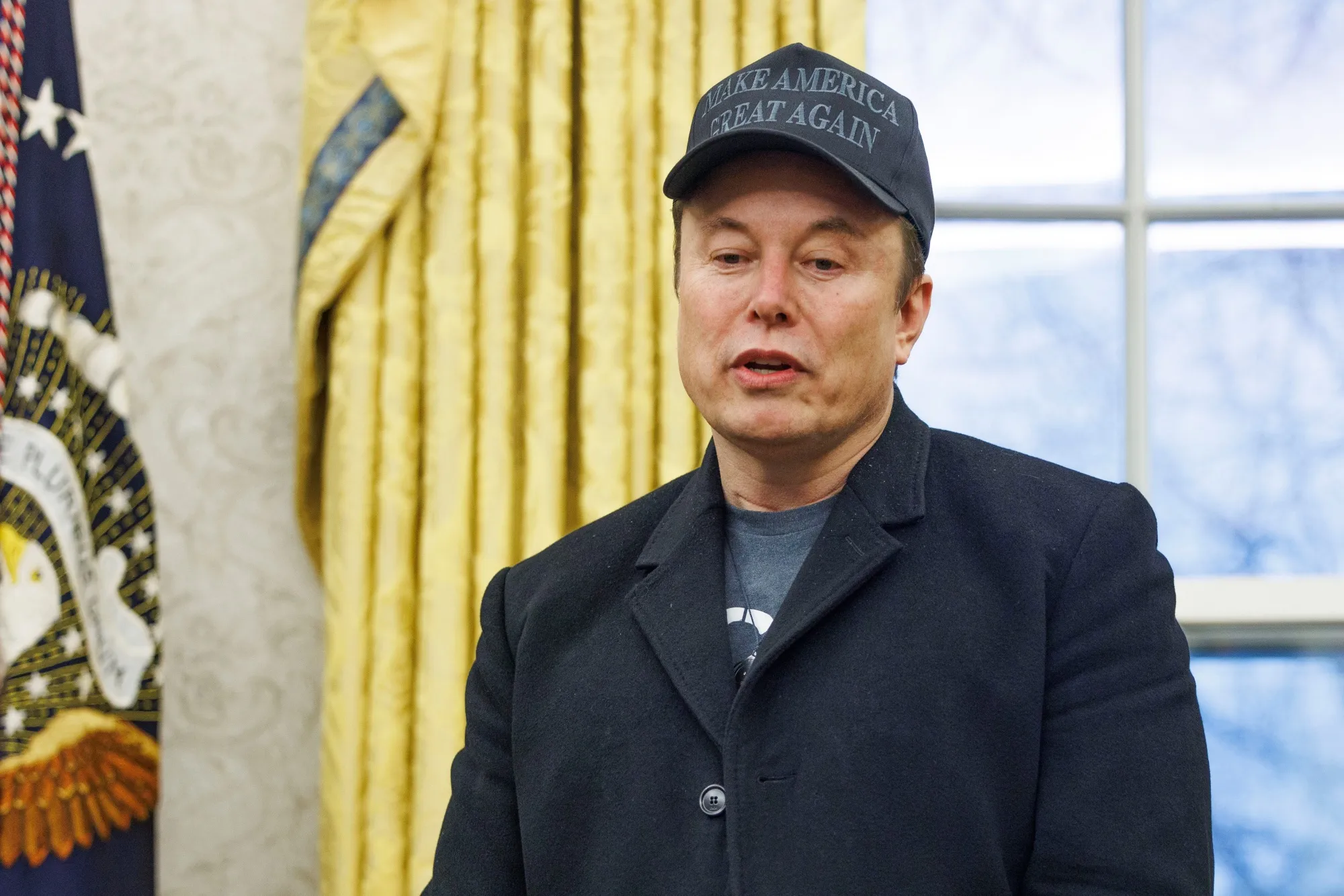
In the case brought by states and led by Attorney General James, the lawsuit is still in progress. Plaintiffs are seeking injunctions and declaratory relief; at the same time, Musk and the U.S. government are expected to mount a vigorous defense, arguing that the policy at issue was lawful and that the access granted did not violate federal statutes.
This lawsuit is not just another headline—it could shape how governments regulate access to critical infrastructure, enforce privacy protections, and oversee the involvement of private actors in public roles.
Conclusion: A Turning Point
The “lawsuit we’ve waited for” in the context of Musk and Doge isn’t simply about crypto investors or price manipulation claims. It is, rather, a deeper legal reckoning with how influence, power, technology, and public trust intersect in the 21st century.