Viral claim of Aryna Sabalenka’s comment about Coco Gauff sparks an online storm, but the evidence is still unverified
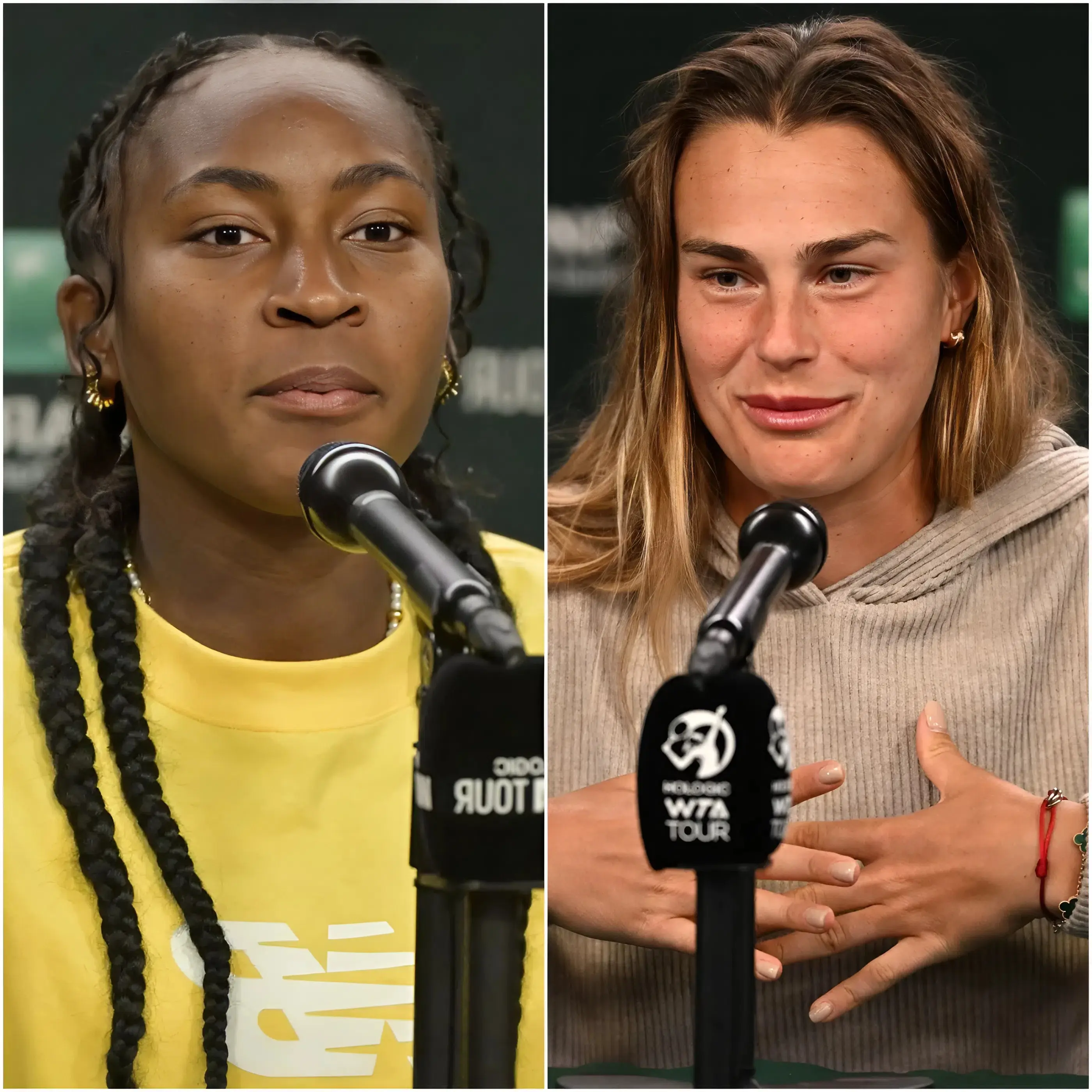
A dramatic story made the rounds on tennis social media this week, claiming that world No. 2 Aryna Sabalenka had sparked a media storm with a single sharp sentence directed at Coco Gauff.
According to the viral story, Sabalenka reacted harshly after Gauff received rare public praise for “making America proud,” dismissing the 21-year-old American star with words that many readers found offensive.
Minutes later, the story continues, Gauff allegedly responded with just twelve precise words, a response so powerful it stopped social platforms and left Sabalenka in tears.
The story spread quickly, shared by fan pages and short video accounts with dramatic subtitles and moving music. However, as the outrage grew, so did the questions.Did all this really happen as described?
So far, there is no verified evidence (no confirmed interviews, no authenticated social media posts, no reliable media reports) to support the claim that Sabalenka made such a comment or that Gauff responded in the manner described.
What remains is a viral narrative that says more about modern sports fanaticism and digital outrage than about the two athletes at the center.
How the story took off
The messages appeared almost simultaneously on all platforms, each repeating the same essential elements: an alleged insulting quote attributed to Sabalenka, a reference to praise directed at Gauff, and the promise of a devastating twelve-word response.
The structure was familiar: first a provocative accusation, then an emotional reward.

Within hours, the comments sections were filled with anger, celebration and tribal loyalty. Some fans roundly condemned Sabalenka, calling the alleged comment disrespectful and xenophobic. Others praised Gauff’s supposed composure and strength.
Many shared the post without asking where the quote came from.
This speed is not a coincidence. Digital media researchers note that stories that combine rivalry, national pride and moral judgment are among those most likely to go viral, especially when they involve young stars and established champions.
The missing proof
Despite the intensity of the reaction, no primary source has emerged. There are no video clips, no transcripts of the press conference, and no verified messages from Sabalenka or Gauff’s official accounts that match the claims.
No such exchange has been reported by mainstream tennis media and respected journalists.
In today’s tennis media environment, where players’ words are closely monitored and instantly archived, a comment of such seriousness would make headlines in reputable publications. Its absence on these channels is revealing.
What we know about Aryna Sabalenka
Sabalenka is known for her fierce competitiveness on the court and her outspoken personality off it. At times he has spoken openly about pressures, criticism and rivalries. But his public record does not support using derogatory language toward other players based on their nationality.
This distinction is important. Criticism of performance is common in sports. Personal or national insults, especially from a high-profile player, would represent a serious departure from professional standards and would almost certainly be documented and addressed immediately.
Coco Gauff’s public image
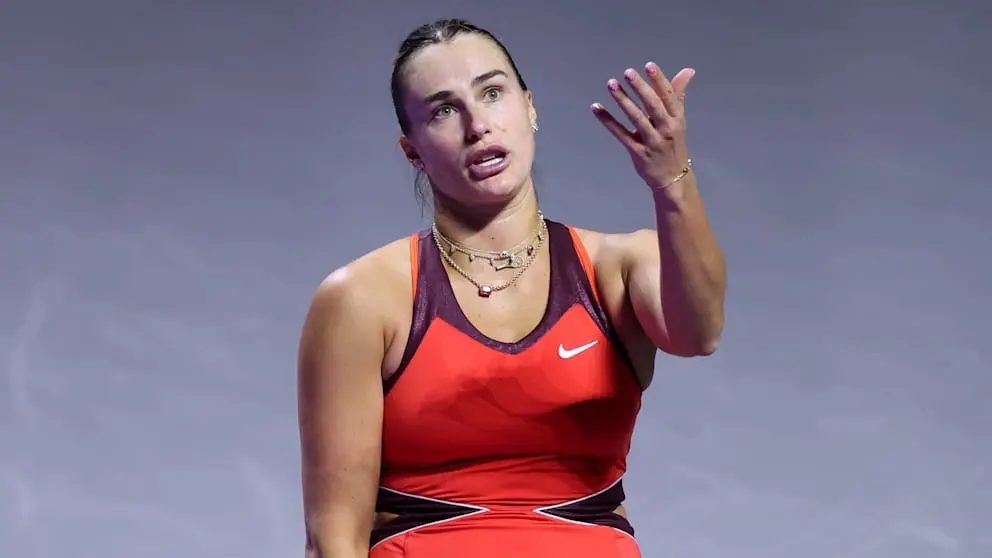
Coco Gauff, at only 21 years old, has become one of the most recognized figures in tennis. He has received praise not only for his achievements, but also for his maturity, composure and thoughtful public statements. When he speaks, his words are widely quoted and carefully examined.
The idea that she gave a twelve-word answer so powerful that it “made someone cry” fits with a heroic narrative that fans love. But again, there is no record of such a statement. No screenshots, no timestamps, no confirmations.
Why fans believed him
The story resonates because it matches expectations and emotions. Gauff represents youth, progress and national pride to many American fans. Sabalenka, as a dominant rival, is easily presented as the antagonist in a simplified story.
This dynamic (hero vs. villain) is compelling, but it often sacrifices nuance and truth. Once a narrative takes hold, corrections struggle to keep up.
“People don’t share these stories because they are verified,” said a sports media analyst. “They share them because they feel good.”
The danger of virus misattribution
Attributing inflammatory quotes to real people without evidence has real consequences. This can damage reputation, fuel harassment and distort public perception. Even if it is later disproved, the initial impression often persists.
For athletes, who already face intense scrutiny, false narratives can become an additional burden, one they did not choose and cannot easily undo.
Silence on both sides
Neither Sabalenka nor Gauff have publicly addressed the viral allegations. This silence may simply reflect a decision not to engage with unverified content. Increasingly, athletes and their teams prefer moderation rather than amplifying rumors.
Media professionals emphasize that not all viral accusations deserve a response, especially when responding risks legitimizing a false story.
What can we say with certainty?
At the moment:
Hayno verified evidencethat Aryna Sabalenka made the alleged comment.
Hayno files confirmedwith a twelve-word response from Coco Gauff.
The story seems to beunverified viral content, is not an established fact.
A broader lesson for sports fans.
This episode highlights a growing challenge in modern sports culture: the speed with which emotion can overcome verification. The rivalries are real. The passion is real. But not all dramatic articles reflect reality.
Before sharing or reacting, fans are encouraged to ask basic questions: Who reported this first? Where is the original source? Is there confirmation from any credible media outlets?
Whether entirely fictional or loosely inspired by real tensions, the story of an alleged exchange between Sabalenka and Gauff reveals the power of storytelling in the digital age.
It shows how easily admiration can turn to outrage and how quickly athletes can be placed in roles they have never played.
Until verifiable evidence emerges, the responsible approach is clear: treat claims with skepticism, resist the temptation to amplify outrage, and remember that in sport – as in life –the truth counts more than virality.