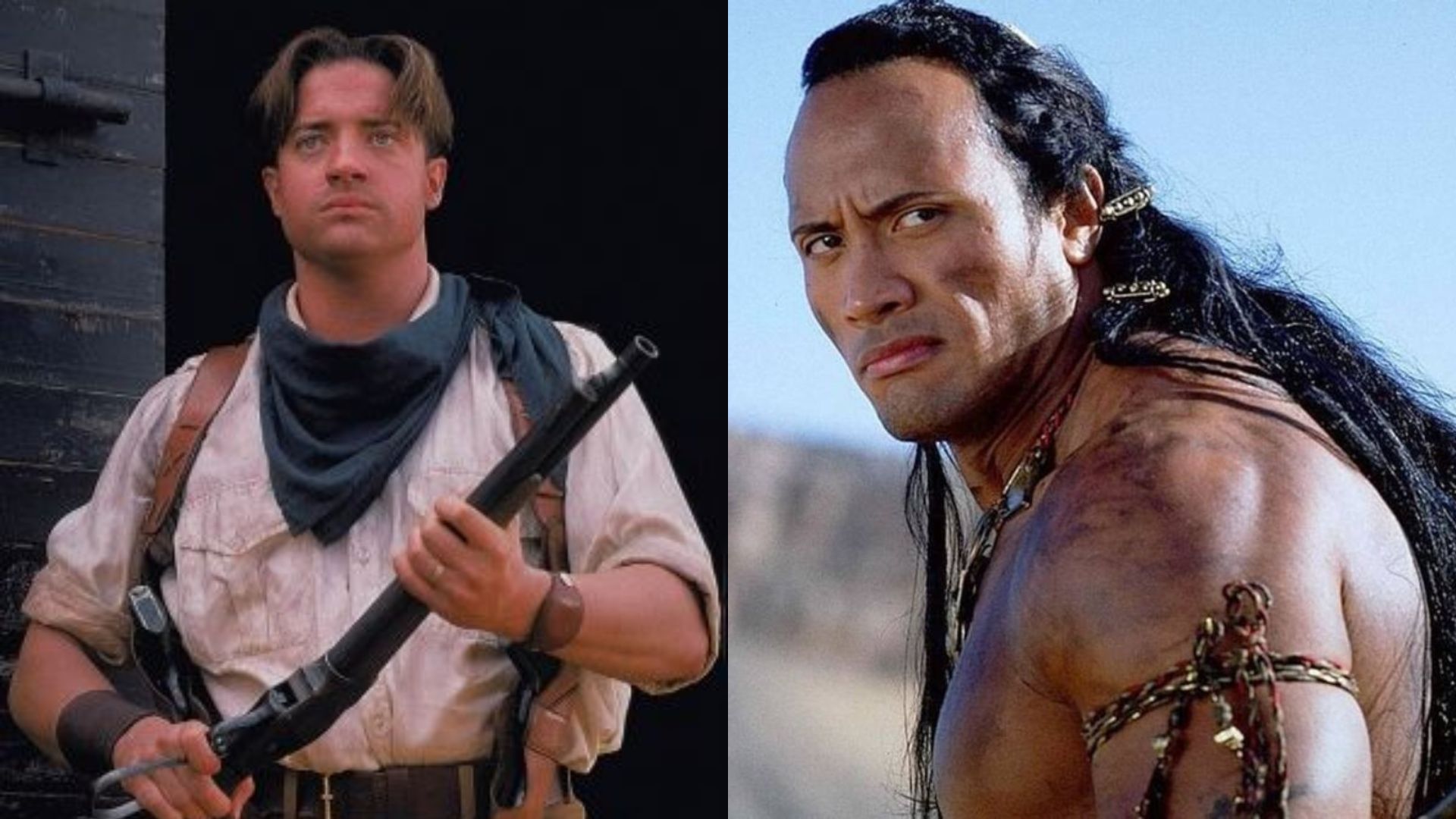
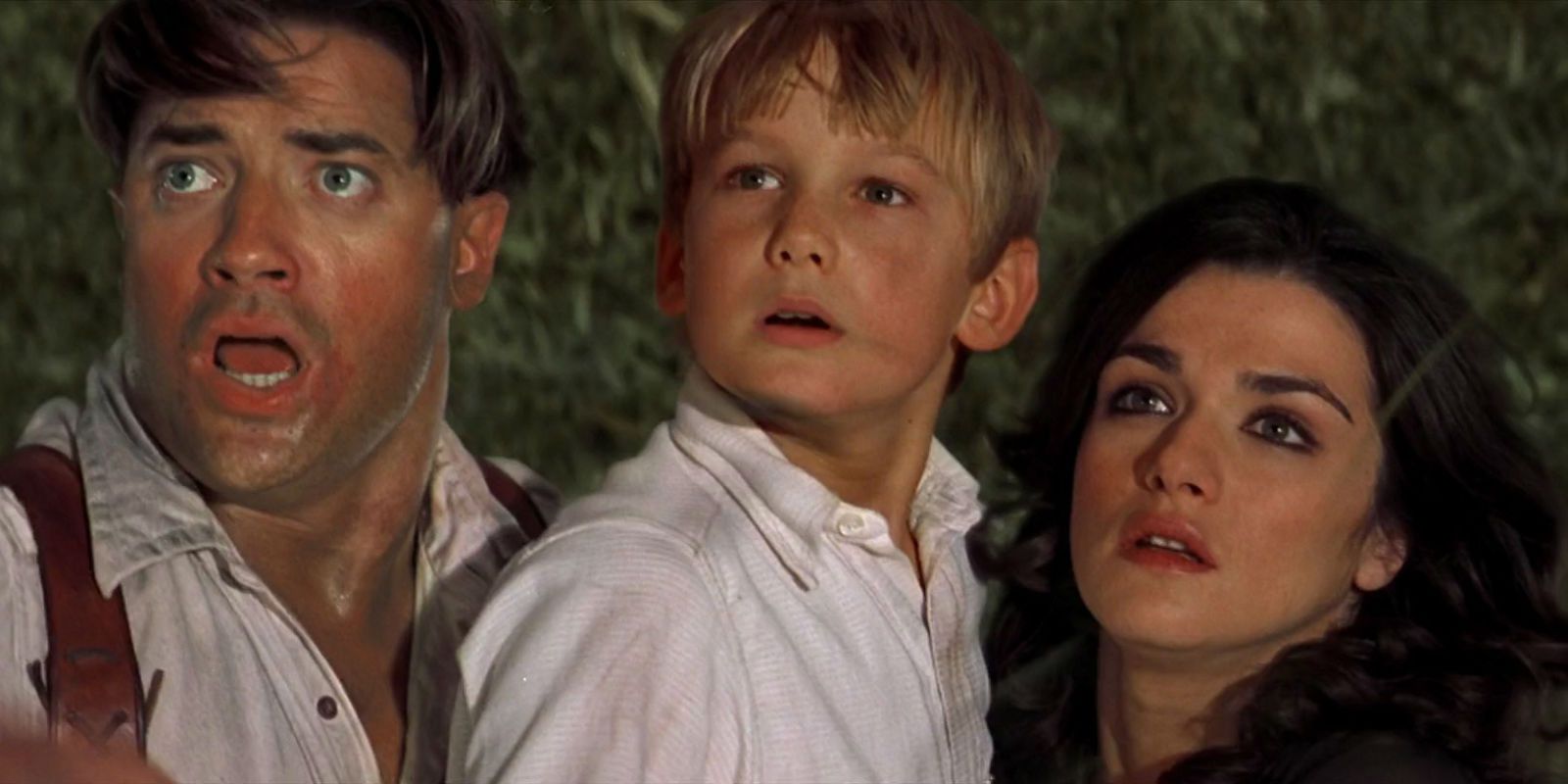
In a compelling reunion that bridged over two decades of Hollywood history, actors Brendan Fraser and Dwayne “The Rock” Johnson sat down for an in-depth “Actors on Actors” conversation, exploring the deep professional bond that began with the 2001 blockbuster The Mummy Returns. The dialogue offered a rare glimpse into the insecurities, triumphs, and artistic evolutions of two of the industry’s most recognizable figures, moving beyond their action-hero personas to discuss vulnerability, loneliness, and the craft of dramatic acting.
The Origin Story: A Risk Rewarded
The conversation opened with a heartfelt acknowledgment of their shared past. Johnson, who is now one of the highest-grossing actors in the world, credited Fraser with effectively launching his career. Johnson recalled his transition from the wrestling world to Hollywood, admitting he had significant trepidations at the time regarding whether Fraser, the established star of The Mummy franchise, would accept him.
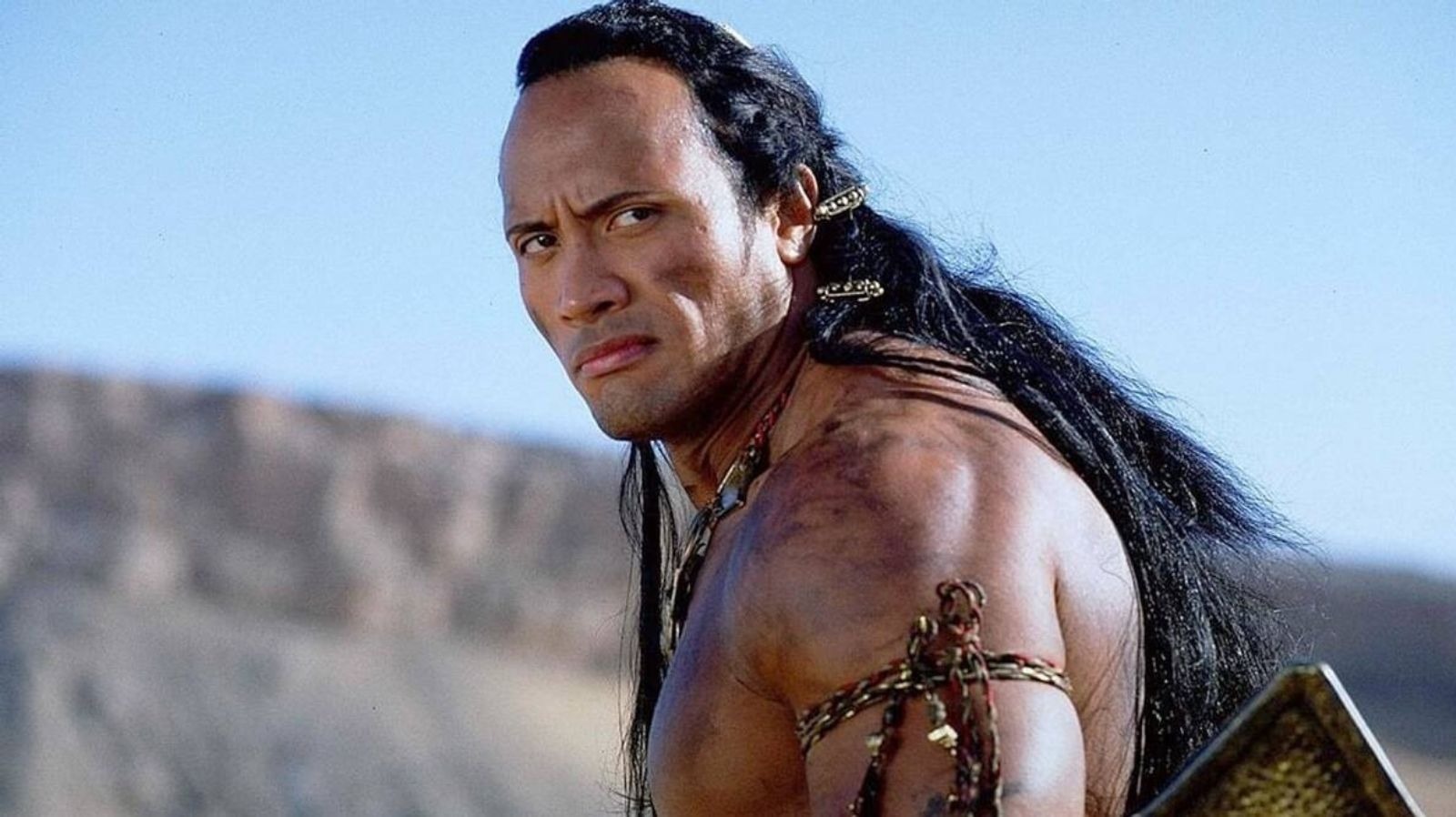
“I knew because they told me, ‘You know, we’re just gonna talk to Brendan,’” Johnson recounted, referencing the casting process for the character of the Scorpion King. He expressed that Fraser held the power to veto the casting of a professional wrestler with no acting experience in such a high-stakes sequel. Instead, the word came back that Fraser welcomed him with “open arms.”
Fraser dismissed the notion that he would have blocked the casting, describing Johnson as “inspired casting” for the role. “You were always the right guy for the job,” Fraser insisted, noting that the role required a “stadium persona performance” that only someone with Johnson’s background could deliver. They shared a lighthearted moment regarding the infamous CGI used for the Scorpion King character at the end of the film. Fraser humorously recalled meeting the visual effects team at the premiere, who simply told him, “We needed more time.”
Breaking the Mold: The Smashing Machine
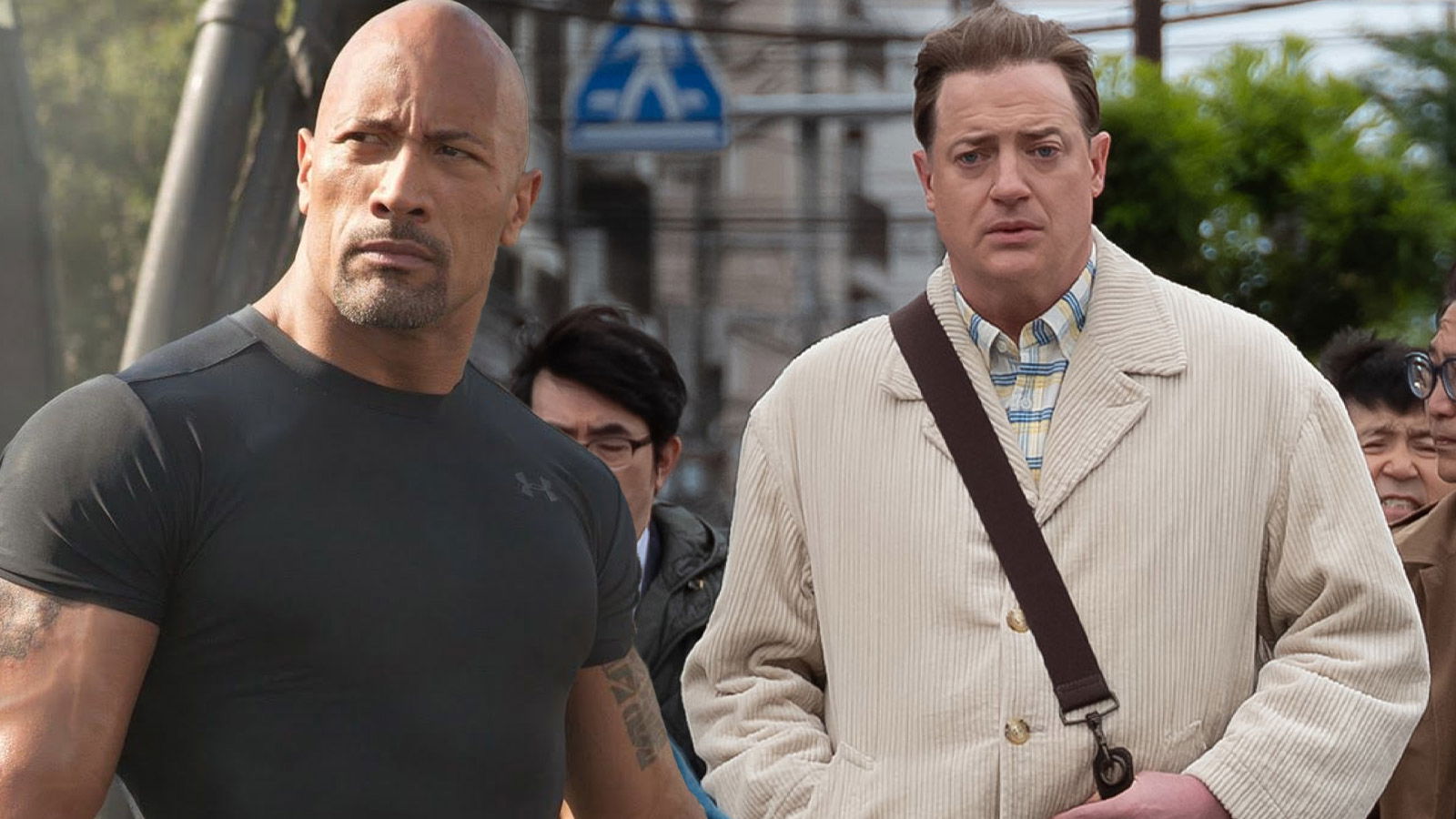
A significant portion of the interview focused on Johnson’s upcoming role in The Smashing Machine, a biographical drama directed by Benny Safdie about MMA fighter Mark Kerr. Fraser praised Johnson’s performance, specifically highlighting a continuous “oner” shot—a long, uninterrupted take—that follows the character from a defeat in the ring back to the locker room.
Johnson described this scene as a pivotal moment in his artistic life, representing a shift from the stoicism required of a superstar to the vulnerability required of an actor. “I felt like I never exhaled like that in my career,” Johnson admitted. He explained the immense pressure to maintain a facade of invulnerability, both in wrestling and in life, and how this role allowed him to finally let that guard down. Fraser observed that the “real pain” in the performance wasn’t physical, but the emotional collapse of a man who is no longer allowed to show weakness.
The production demanded intense physical transformation. Johnson revealed that his makeup artist, Kazu Hiro, created 23 specific prosthetics for the role, including cauliflower ears and facial alterations. The initial makeup test alone took 10 hours, though the daily application was eventually whittled down to roughly three and a half hours.
Exploring Solitude: Rental Family
The discussion then pivoted to Fraser’s latest project, Rental Family. Set in Tokyo, the film explores the Japanese phenomenon of agencies that rent out actors to play family members or companions for lonely clients. Fraser plays a character named Phillip who becomes involved in this world.
Fraser spoke passionately about the film’s themes of loneliness and the human need for connection. “Loneliness isn’t something that actually is a public health concern, I believe,” Fraser stated, emphasizing the paradox of isolation within a bustling metropolis like Tokyo. He detailed his experience working with legendary Japanese actor Akira Emoto, whom he described as the “Japanese Ian McKellen.” Fraser shared an anecdote about Emoto giving free performances at 8:00 a.m. in his own black box theater, reading obscure texts to hone his craft.
The film also features a young actress, Shannon Gorman, whose personal background mirrored her character’s struggle with identity. Fraser explained that Gorman, the daughter of a Japanese mother and an Irish father, used her real-life experiences of feeling “trapped between worlds”—not feeling Japanese enough nor white enough—to fuel her performance. “She showed up at this movie with so much emotional bandwidth,” Fraser noted.
The “Moby Dick” of Roles and Mutual Support
The bond between the two actors was perhaps most evident when discussing Fraser’s Academy Award win for The Whale. Johnson revealed that watching Fraser receive a standing ovation at the Venice Film Festival was a moving experience for him. He described Fraser’s comeback as an inspiration, prompting him to ask himself what his own “Moby Dick” role—a role of immense depth and challenge—would be.
“I felt such joy for you,” Johnson told Fraser. “I felt every single thing I had done led to this moment.”
Fraser, in turn, acknowledged Johnson’s support during that period, calling him a “godfather of sorts” to the success of The Whale due to his public encouragement. Both actors agreed that while box office numbers are significant, the true reward lies in the work and the acknowledgment of one’s peers.
Future Horizons
As the conversation concluded, a new connection emerged: Johnson revealed he is set to work with Darren Aronofsky, the director who guided Fraser to his Oscar win, on an upcoming project. While keeping details scarce, Johnson expressed excitement about working with the director, further cementing the creative lineage shared between the two stars.
The interview underscored that despite their different paths—one staying the course through industry highs and lows, the other conquering the world of sports entertainment before dominating Hollywood—Fraser and Johnson share a fundamental dedication to their craft. As Fraser poignantly remarked about the acting profession, “The secret is we would be doing this whether they paid us or not.”