In the fragile ecosystem of American democracy, the line between political discourse and visceral hatred has officially been erased. This week, the entertainment capital of the world became the epicenter of a tragedy that is as senseless as it is symbolic. Rob Reiner—the man who gave us the timeless innocence of The Princess Bride and the moral weight of A Few Good Men—was found dead in his Brentwood home alongside his wife of 35 years, Michele Singer Reiner. The perpetrator of this “multiple sharp force injury” massacre? Their own son, Nick Reiner, a 32-year-old who had struggled with the twin demons of addiction and mental health for years.
.jpg)
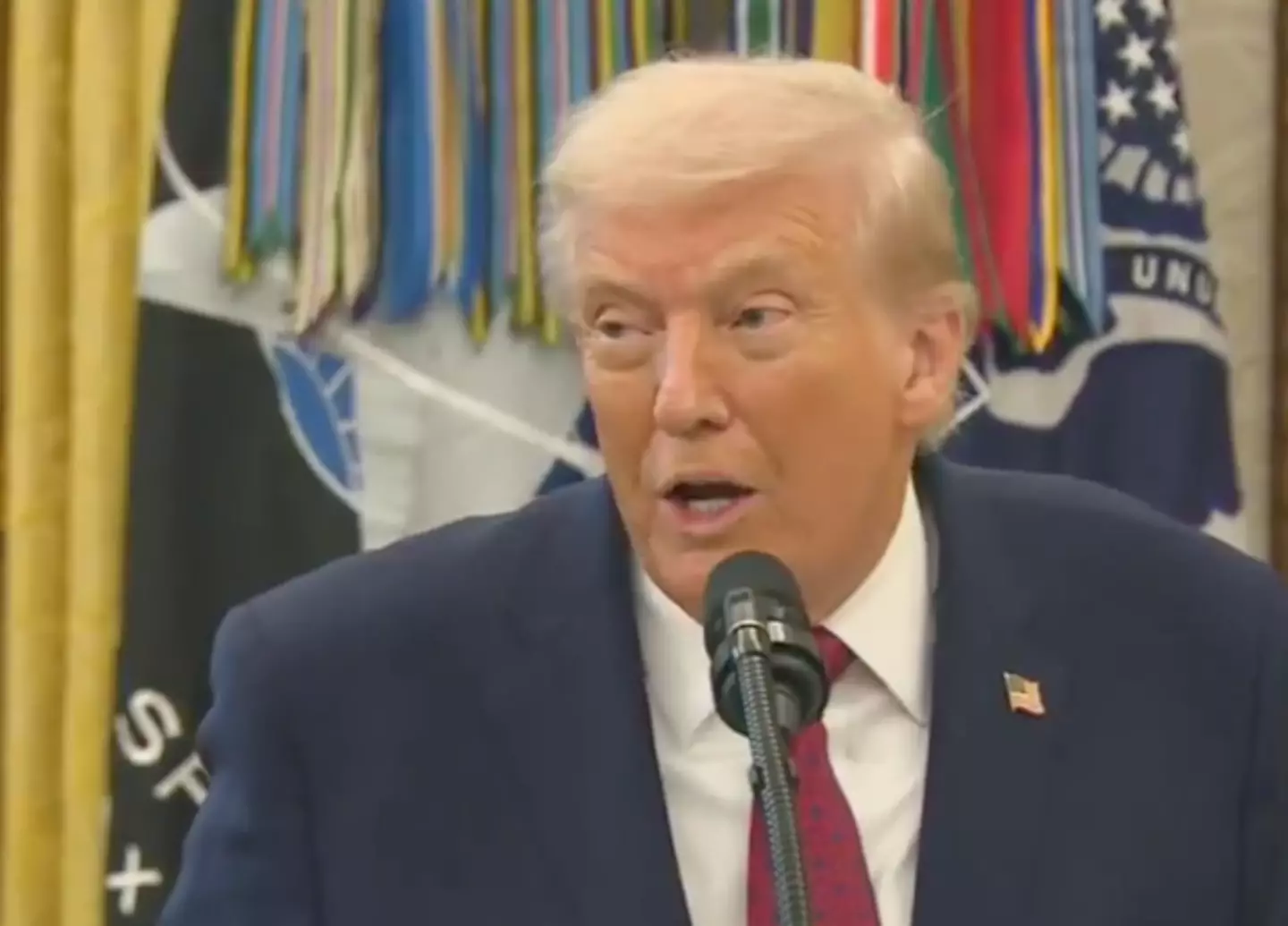
But as the police tape was still being strung across the Reiner estate, a second, more metaphorical crime was committed—this time from the highest office in the land. President Donald Trump, rather than assuming the role of Comforter-in-Chief, took to Truth Social to release what has been widely condemned as a “disgusting and vile” attack on a dead man.
“A very sad thing happened last night in Hollywood,” Trump wrote, before pivoting into a critique that felt more like a victory lap. He claimed Reiner died “reportedly due to the anger he caused others through his massive, unyielding, and incurable affliction with a mind-crippling disease known as TRUMP DERANGEMENT SYNDROME.” He went further, suggesting that Reiner’s “raging obsession” with the presidency had driven people to “CRAZY” heights of paranoia.
The backlash was instantaneous and bipartisan. From California Governor Gavin Newsom, who called Trump a “sick man,” to Republican Representative Thomas Massie, who challenged his colleagues to defend the “inappropriate and disrespectful discourse,” the nation stood in shock. Even Marjorie Taylor Greene, usually a staunch ally, broke ranks to call the statement “classless” and “wrong.”
However, the most piercing commentary came from Whoopi Goldberg on The View. Goldberg, a close friend of the Reiners who was directed by Rob in Ghosts of Mississippi, couldn’t hide her fury.
“I don’t understand the man in that White House,” she said, her voice heavy with grief.
“He spoke at length about Charlie Kirk and about caring, and then this is what he puts out. Have you no shame? No shame at all? Can you get any lower? I don’t think so. You ain’t my president, man.”
The comparison to Charlie Kirk is the “Silent Evidence” that many are now pointing to as proof of a moral vacuum in the current administration. In September 2025, when the conservative activist Charlie Kirk was assassinated at Utah Valley University, Rob Reiner—a man who spent every waking hour opposing Kirk’s ideology—did the unthinkable. He went on Piers Morgan Uncensored and offered a hand of grace.
“It’s beyond belief what happened to him,” Reiner said at the time, his empathy cutting through the partisan noise.
“That should never happen to anybody. I don’t care what your political beliefs are. That’s not acceptable. That’s not a solution to solving problems.”
Now, as the resurfaced clip of Reiner’s defense of Kirk goes viral, the “chilling reason” for the current tension becomes clear. Reiner believed in a version of America where even your worst enemy deserved to live and be mourned. The current administration, by contrast, seems to suggest that political opposition is a terminal illness that justifies a “grisly end.”
The investigation into Nick Reiner has revealed a family struggling in the shadows of fame. Just 24 hours before the murders, Rob and Nick were reportedly heard “arguing heatedly” at a Christmas party hosted by Conan O’Brien. Guests described Nick as behaving “strangely” and being “disruptive,” a tragic prelude to the violence that would erupt in the Brentwood home. Michele Reiner, an iconic photographer, had recently expressed deep worry about her son’s mental state, noting that the “paranoia” within the house was reaching a breaking point.
As Hollywood icons like Kevin Bacon and Demi Moore fight back tears, the “20-year truth” of the industry is being laid bare. It is an industry where the brightest lights are often the most haunted, and where the “Golden Age” promised by the government feels more like a gilded cage. Rob Reiner’s final message wasn’t just about Charlie Kirk or Donald Trump; it was a plea for a humanity that seems to be slipping through our fingers.
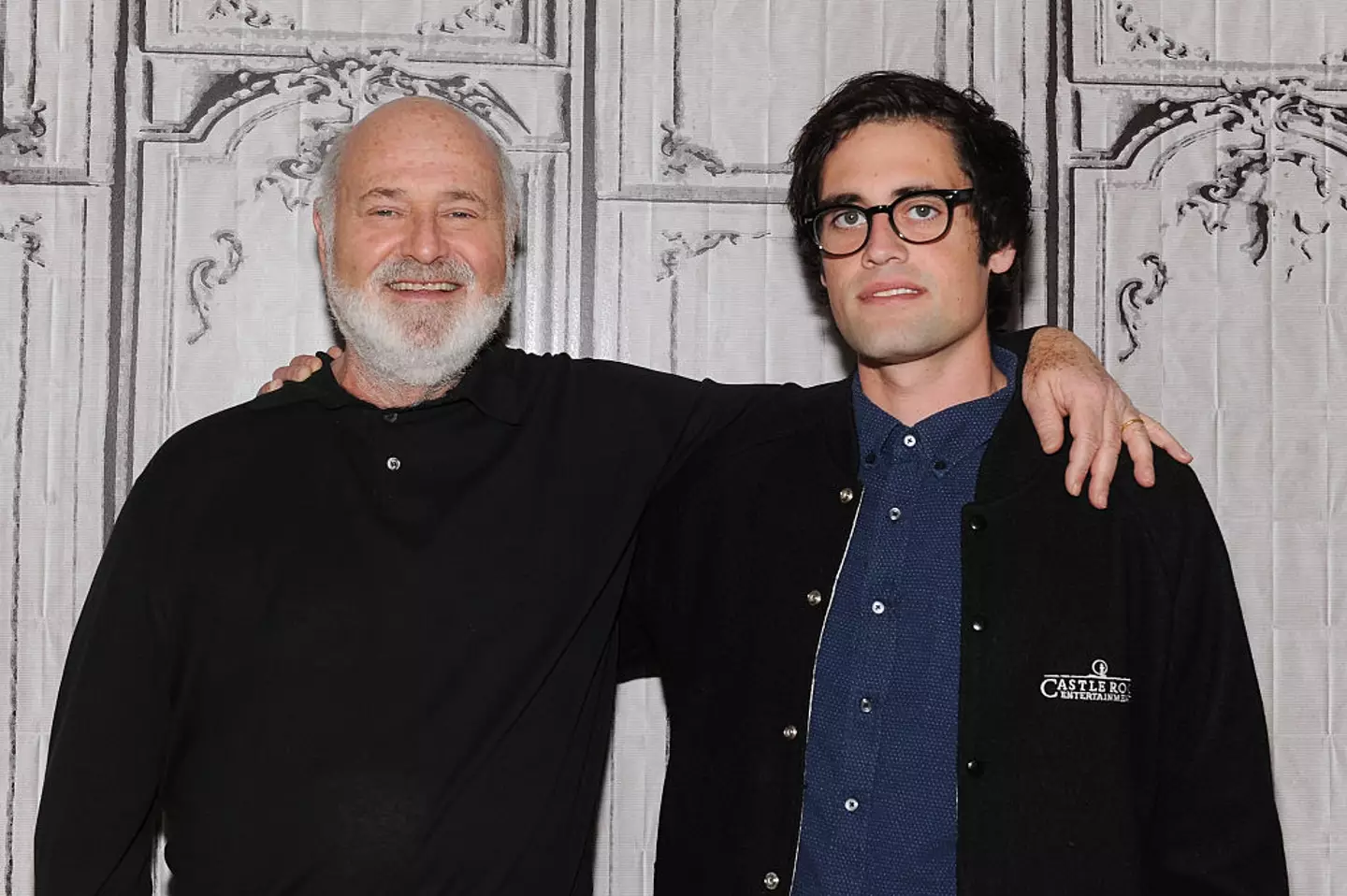
As the legal system prepares to prosecute a son for the murder of his parents, the American public is left to prosecute the rhetoric that made such a tragedy a footnote in a political war. The “Silent Evidence” is no longer hidden in dossiers; it is written in the contrast between a director who mourned his enemy and a president who mocked his friend. The final credits are rolling on an era of decency, and as Whoopi Goldberg noted, the silence from the White House is the loudest sound of all.