For more than a decade, Tesla has positioned itself not merely as an automaker, but as a technology company racing toward a future of fully autonomous driving. Its bold promises, charismatic leadership, and constant software updates have captivated investors and customers alike. Central to this vision is Tesla’s Autopilot and Full Self-Driving (FSD) systems—features that, according to the company, are designed to make driving safer and eventually eliminate human error altogether.
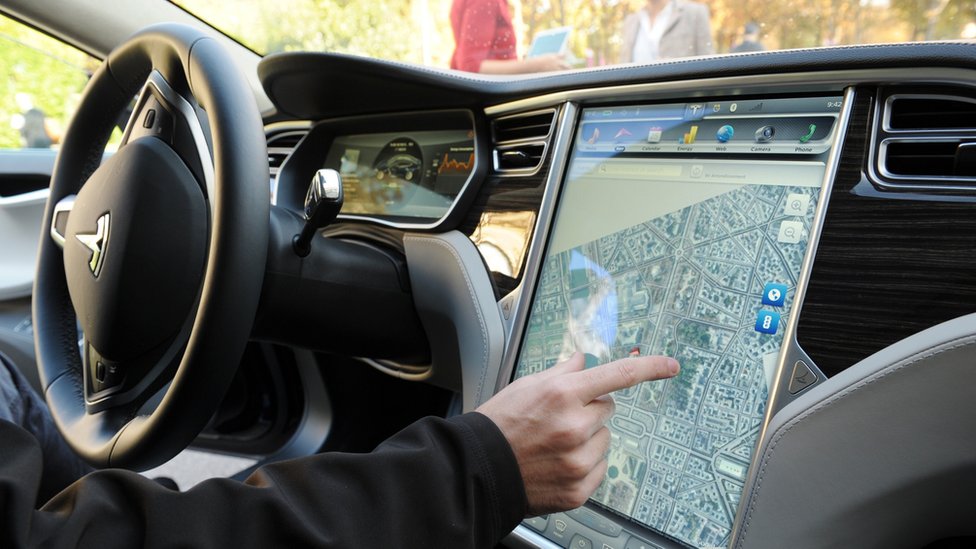
Yet behind the marketing language and optimistic projections lies a growing body of evidence that raises serious safety concerns. A series of fatal crashes involving Tesla vehicles operating with Autopilot or FSD engaged has triggered investigations, lawsuits, and renewed scrutiny from regulators around the world. Critics argue that the technology is being deployed too quickly, with misleading branding and insufficient safeguards, putting drivers, passengers, and pedestrians at risk.
This investigative report examines the fatal crashes linked to Tesla’s self-driving systems, the technology behind them, the company’s response, and the broader implications for road safety and public trust.
A Pattern of Fatal Crashes
Over the past several years, Tesla vehicles have been involved in multiple high-profile fatal crashes where advanced driver-assistance systems were reportedly active. These incidents span different countries, road conditions, and vehicle models, but they share common themes: overreliance on automation, delayed driver response, and system limitations that were not fully understood by users.
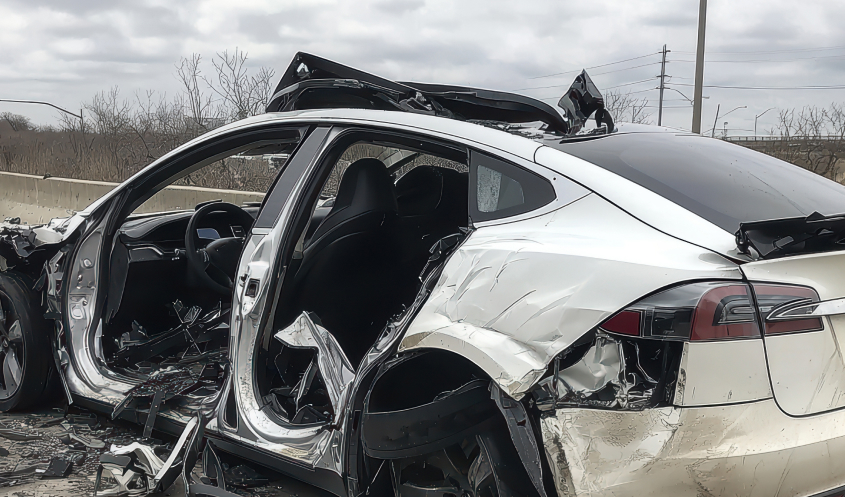
In several cases, vehicles failed to recognize stationary objects, emergency vehicles, or complex traffic situations. Investigations have revealed scenarios in which drivers appeared to believe the car was capable of handling conditions beyond its actual design, leading to catastrophic outcomes.
While Tesla maintains that Autopilot and FSD are intended as driver-assist systems—not replacements for human drivers—the repeated involvement of these features in deadly crashes has intensified concerns that the line between assistance and autonomy has become dangerously blurred.

How Tesla’s Self-Driving Systems Work
Tesla’s driver-assistance technology relies primarily on cameras, neural networks, and software processing rather than a combination of sensors such as radar and lidar used by some competitors. The system continuously analyzes visual data to identify lanes, vehicles, pedestrians, and traffic signals.
Autopilot is marketed as an advanced cruise control and lane-keeping system for highways, while Full Self-Driving—despite its name—is still classified as a beta feature that requires constant driver supervision. Tesla vehicles display warnings instructing drivers to keep their hands on the wheel and remain attentive at all times.
However, critics argue that the branding itself—especially the term “Full Self-Driving”—creates unrealistic expectations. Human-factors experts point out that even subtle language choices can influence how drivers perceive responsibility and risk. When a system appears confident and performs well most of the time, drivers may gradually place more trust in it than is warranted.
Driver Behavior and Automation Complacency
One of the most troubling findings from crash investigations is the role of automation complacency. When drivers use systems that handle steering, speed, and navigation, their attention can drift. Reaction times increase, situational awareness declines, and the ability to intervene quickly in an emergency is compromised.

In fatal Tesla crashes, investigators have sometimes found that drivers did not brake or steer before impact, suggesting delayed or absent responses. This has raised questions about whether Tesla’s driver-monitoring measures—such as steering-wheel torque detection—are sufficient to ensure active supervision.
Unlike some competitors that use interior cameras to track eye movement and head position, Tesla has historically relied on indirect methods to confirm driver engagement. Although newer models increasingly incorporate cabin cameras, critics say these measures were introduced too slowly and remain less strict than necessary for a system with such extensive control over the vehicle.
Regulatory Scrutiny Intensifies
As fatalities mounted, regulators began to take a closer look. Transportation safety agencies have launched multiple investigations into Tesla crashes, examining whether system design, software updates, or driver warnings played a role.
Regulators are particularly concerned about “edge cases”—unusual or complex driving scenarios that self-driving systems struggle to interpret. These include stationary emergency vehicles, construction zones, poor weather, and low-visibility conditions. In several fatal incidents, Tesla vehicles reportedly failed to respond appropriately to such situations.
The investigations have broadened beyond individual crashes to examine whether Tesla’s overall approach to deploying beta software on public roads meets acceptable safety standards. Some officials argue that allowing consumers to test unfinished autonomy features effectively turns ordinary drivers into test subjects, without the safeguards typically required in controlled trials.
Lawsuits and Accountability
Families of victims have filed lawsuits alleging that Tesla overstated the capabilities of its technology and failed to adequately warn drivers of its limitations. These cases argue that the company’s marketing and public statements encouraged unsafe reliance on automation.
Plaintiffs contend that Tesla knew—or should have known—that its systems were not capable of handling all driving conditions, yet continued to promote them aggressively. Internal communications, software design choices, and executive statements have become key points of legal contention.

Tesla, for its part, has consistently defended its technology, pointing to data suggesting that vehicles using Autopilot experience fewer crashes per mile than the national average. The company argues that human drivers cause the vast majority of accidents and that its systems, when used properly, enhance safety.
Critics counter that aggregate statistics can obscure specific risks and do not absolve the company of responsibility when system failures contribute to fatal outcomes.
The Marketing Controversy
At the heart of the debate is Tesla’s marketing strategy. The company’s terminology and public messaging often emphasize future autonomy and revolutionary safety improvements. CEO Elon Musk has repeatedly spoken about a world where self-driving cars dramatically reduce traffic deaths.
Safety experts argue that this vision, while compelling, can be misleading when presented alongside systems that still require full human supervision. They warn that consumers may conflate future promises with current capabilities, especially when updates are delivered over the air and marketed as major leaps forward.
Some regulators and advocacy groups have called for stricter rules governing how driver-assistance systems are named and advertised. They argue that clearer, more conservative language could help align driver expectations with reality and reduce risky behavior.
Comparing Tesla to Competitors
Tesla is not alone in pursuing automated driving, but its approach differs significantly from that of many competitors. Other companies have adopted more cautious rollout strategies, limiting advanced autonomy features to specific areas, speeds, or conditions, often with extensive driver-monitoring systems.
Some automakers use lidar and high-definition maps to create more controlled self-driving environments, while Tesla relies on a vision-only approach designed to scale globally. Supporters say this makes Tesla’s system more flexible and ultimately more powerful; critics argue it increases risk during the development phase.
The contrast highlights a fundamental disagreement in the industry: whether rapid real-world deployment accelerates safety improvements through data collection, or whether it exposes the public to unacceptable dangers.
Ethical and Social Implications
Beyond legal and technical questions, the fatal crashes raise ethical concerns. Who bears responsibility when a semi-autonomous system fails—the driver, the manufacturer, or the software developer? How much risk is society willing to accept in exchange for long-term safety gains?
There is also the issue of consent. Pedestrians, cyclists, and other drivers do not choose to participate in real-world testing of self-driving systems, yet they share the roads with vehicles running experimental software. This has prompted calls for greater transparency and public oversight.
For families affected by fatal crashes, these questions are not abstract. They are deeply personal, tied to loss and a sense that preventable risks were taken too lightly.
Tesla’s Response and Recent Changes
In response to mounting criticism, Tesla has made adjustments. Newer versions of its software include more warnings, expanded use of cabin cameras, and additional restrictions on where and how features can be used. The company has also emphasized, more forcefully, that drivers must remain attentive at all times.
However, skeptics argue that these changes came only after tragedies and regulatory pressure. They question whether incremental updates are enough, or whether a more fundamental rethinking of deployment strategy is required.
The Road Ahead
The future of self-driving technology remains uncertain. Advocates believe that continued development will eventually lead to dramatic reductions in traffic fatalities, which currently number in the tens of thousands annually. They argue that abandoning or slowing innovation could delay life-saving advances.
At the same time, the fatal crashes involving Tesla’s self-driving systems serve as stark reminders that technological optimism must be matched with rigorous safety standards, honest communication, and accountability.
As investigations continue and lawsuits proceed, the outcome will likely shape not only Tesla’s future but the entire autonomous vehicle industry. Regulators may impose stricter rules, companies may rethink how they market and deploy automation, and consumers may become more cautious in how they use these features.
Conclusion
The serious safety concerns surrounding Tesla’s self-driving cars after fatal crashes highlight a critical moment for the automotive and technology sectors. What was once framed as a bold experiment in innovation is now under intense scrutiny, with lives lost and trust shaken.