In 1903, a family fleeing the violent anti-Jewish pogroms of the Russian empire left their town of Antopol, in modern-day Belarus, and made the arduous journey to a new world. Like countless others, they arrived in New York City seeking refuge, safety, and the opportunity to build a life free from persecution. More than a century later, that immigrant story has become the center of a painful and public family conflict, pitting a descendant against the legacy of his own ancestors.
That descendant is Stephen Miller, who rose to become a senior advisor in the Trump White House and the primary architect of its hardline immigration policies. But standing in stark opposition is his cousin, Alisa Kasmer, who has publicly condemned Miller’s work, arguing that the very policies he champions would have likely prevented their family from ever reaching American shores.
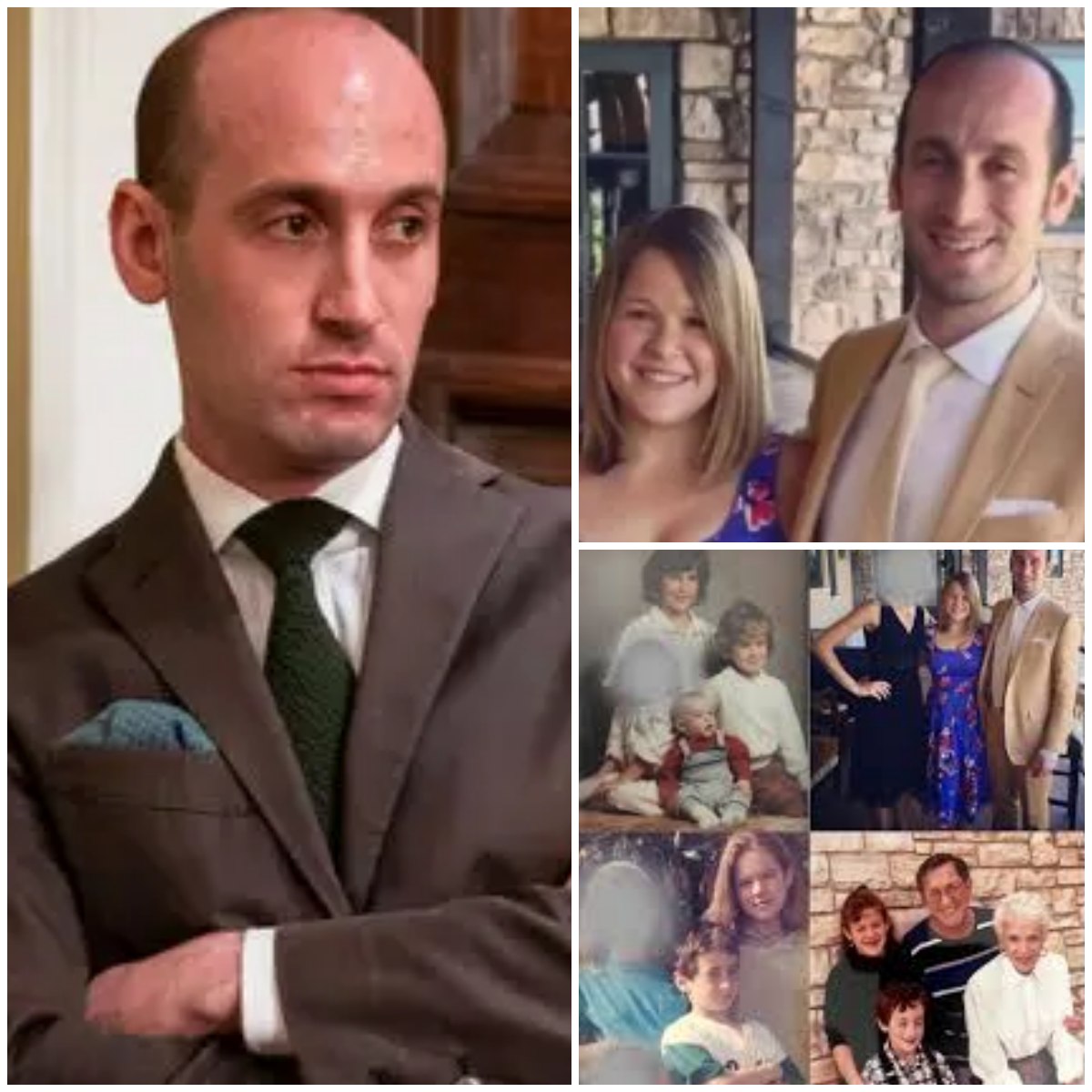
“We’re Jewish—we grew up knowing how hated we were just for existing,” Kasmer stated in an interview with The New Republic, drawing a direct line from their family’s past to the present-day political firestorm. Her criticism centers on what she sees as a profound hypocrisy at the heart of her cousin’s political agenda.
“Now he’s trying to take away the exact thing that his own family benefited from: that ability to create a life for themselves, to prosper, to build community, to have successful businesses—to live a rewarding life,” she explained.
Miller’s role in shaping the administration’s immigration strategy has been well-documented. He was identified as a driving force behind some of the most aggressive enforcement tactics, including, according to previous reports, setting ambitious targets for Immigration and Customs Enforcement (ICE) agents to make as many as 3,000 arrests per day. While government data obtained by Axios showed that ICE was making closer to 1,100 arrests daily in recent weeks of the administration, the push for increased enforcement was clear.
Tricia McLaughlin, a spokesperson for the Department of Homeland Security at the time, told Axios that agents had arrested nearly 579,000 undocumented immigrants during a specific period under the administration’s authority. This enforcement posture represented a significant shift. While the administration initially claimed its focus would be on individuals with criminal records, that standard was later broadened. Reports from Axios indicated that a majority of those arrested had no criminal conviction and that agents were encouraged to make “collateral arrests”—detaining undocumented people who were not the original targets but happened to be present during an operation.
For Kasmer, these policies were not just political abstractions; they were a personal affront that led her to publicly disown her cousin in a widely circulated Facebook post. She described Miller as having “become the face of evil.”
Her words painted a picture of deep personal loss and familial grief. “I grieve a cousin I once loved. A boy I watched grow up, babysat, and shared a childhood with,” she wrote. “The awkward, funny, needy middle child who loved to chase attention, yet was always the sweetest with the littlest family members.”
The post continued with a sorrowful finality, severing a bond she felt could no longer be maintained. “I grieve what you’ve become, Stephen. And I grieve what I’ve lost because of it,” she declared. “I grieve your children I will never meet. I grieve the future family you’ve stolen from me by choosing a path so filled with cruelty that I cannot, and will not, be a part of it. I will never knowingly let evil into my life, no matter whose blood it carries—including my own.”
Kasmer directly accused her cousin of causing widespread harm to feed his personal ambition. “You’ve destroyed so many lives just to feed your own obsession and ego and uphold an administration so corrupt, so vile, I can barely comprehend it,” she wrote.
At the core of her anguish is the collision of Miller’s actions with their shared heritage. She recalled how their Jewish upbringing was steeped in the lessons of historical persecution. “We were raised with stories of survival,” she explained in her post. “We learned about pogroms, ghettos, the Holocaust—not just as history, but as part of our identity. We carry the trauma of generations who were hunted, hated, expelled, murdered, just for existing. We were taught to remember.”
The irony of their family’s journey—escaping persecution to find safety in America, only for a descendant to enact policies that restrict modern-day asylum seekers—was a burden she felt acutely. “As much as I try to disassociate from it, the truth remains—being this close to such deep cruelty fills me with shame,” Kasmer confessed. “I am gutted. My heart breaks that this is the legacy you have brought to our family. A legacy I never asked to share with you, and one I now carry like a curse.”
The rift within this one family magnifies a question facing the entire nation: how does a country built by immigrants reconcile its past with its present? The story of Stephen Miller and Alisa Kasmer strips away the political rhetoric and brings the debate down to its most human level. It is a stark reminder that policies are not just documents passed in Washington; they have profound consequences that can divide families, challenge identities, and force a reckoning with the fundamental values of fairness, trust, and accountability.